

Trade discounts play a crucial role in modern commerce and pricing strategies. They are widely used in both retail and wholesale industries to encourage bulk purchasing, ensure competitive pricing, and streamline inventory turnover. Additionally the diagram below summarizes the difference between trade discounts and cash discounts. The only bookkeeping entry relates to the invoice price (675) given to the customer. The list price of 900 and the trade discount of 225 (900 x 25%) are not entered into the accounting records. The major difference between trade discount and cash discount is that a trade discount is given to encourage additional sales, whereas a cash discount is given to encourage prompt payment.
How to Show Trade Discount in Purchase Book?
Misapplied, broken, or misunderstood trade discounts can lead to revenue loss. It is important for suppliers to stay aware of established key terms and communicate early and often with retailers. Good communication helps maintain a solid and consistent supplier-retailer relationship and ensure that both parties make rather than lose profit. Trade discounts are reductions in the listed price of goods or services offered by sellers to buyers, resulting in a lower price for the buyer.

Streamline Your Business with the Best WP Booking Plugin
- Businesses offer trade discounts to not only reduce their inventory costs but also motivate customers to make more purchases.
- So, whether you are a buyer or a seller, being aware of trade and cash discounts can help you trade smartly and maximize your benefits in the marketplace.
- Suppliers often grant discounts to increase sales volume, clear inventory, or establish long-term partnerships.
- The company selling the product (and the buyer of the product) will record the transaction at the amount after the trade discount is subtracted.
- Cash discounts, on the other hand, are price reductions granted to customers who pay their invoices within a specified period of time.
The list price ($10,000) and the trade discount ($500) are not separately entered into the accounting records. Instead of a flat 10% off, bundle income summary a “New Puppy Starter Pack” (food + toys + training ebook) at a 20% discount. This value-based pricing targets specific needs while boosting order size. Mr. X purchased goods from Mr. Y for a list price of $8000 on April 1st, 2018. Mr. Y allowed a 10% discount to Mr.X on the list price for purchasing goods in bulk quantity. Further, a discount of $500 was allowed to him for making an immediate payment.
Example 4.1A – Determining the Retailer’s Net Price for a Pair of Jeans
Ensuring both parties are on the Accounting for Marketing Agencies same page can prevent misunderstandings and lead to mutually beneficial outcomes. The net price, denoted as ‘N’, is determined by subtracting the discount amount from the list price. Every store displays an array of products, each tagged with a price, and every discount sign represents a carefully calculated decision. This is where the unseen world of merchandising mathematics plays a pivotal role. This type of discount helps to ensure profit for all parties involved in the transaction.

This initiative helped GHI Manufacturing establish itself as a preferred supplier trade discount example for small businesses, as the trade discount made their products more affordable and competitive. By tapping into this niche market segment, GHI Manufacturing was able to increase its market share and achieve steady growth in sales. A trade discount is a reduction in the selling price of goods provided to customers.
However, it’s important to note that not all purchases may be eligible for trade discounts. On the other hand, sellers may also make mistakes when utilizing trade discounts and cash discounts. One common error is offering excessive discounts without considering the impact on profitability. While attracting customers with lower prices can be beneficial, it is important to strike a balance between competitiveness and maintaining a healthy profit margin. Offering overly generous discounts may lead to financial strain and ultimately harm the business in the long run. In some cases, trade discounts may be subject to various conditions to drive purchase decisions in support of the suppliers’ commercial and financial goals.
By taking advantage of these discounts, businesses can reduce their costs of goods sold and increase their profit margins. For instance, a retailer purchasing inventory for the upcoming holiday season may negotiate a trade discount of 5% for early payment. By paying upfront and securing a discount, the retailer not only saves money but also ensures that they have sufficient inventory to meet customer demand during the busy season. A trade discount is a reduction in the list price of a product or service provided by a seller to a buyer, usually within the same industry, as an incentive to encourage sales. It is commonly used in business-to-business transactions, helping to establish long-term relationships between manufacturers and retailers.
- By offering a reduction on the list price of goods or services, a business can incentivize larger volume purchases.
- If you can plan your inventory procurement to coincide with these opportunities, you can secure products at discounted rates, reducing your overall cost of goods sold.
- The customer receives an invoice that reflects the discounted price, and payment occurs based on that amount.
- The only bookkeeping entry relates to the invoice price (675) given to the customer.
- A balanced discount exposes manufacturers and their products to broad sales channels, while giving distributors incentive to sell those products.
- A person owes only what he had bought things for and what he has bought for is net of discount.
Related Entrepreneurship Terms
Trade discounts are an excellent method of reducing expenditures, but it’s essential to guarantee that the quality is on par with your expectations. The list price is the original price of the goods or services prior to any discounting. Trade discounts are included in the net sales line item at the top of the seller’s income statement.
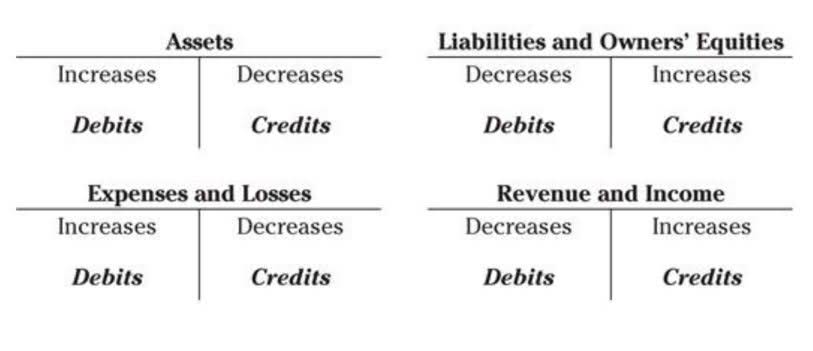
The accounting treatment of trade discounts depends on whether the business is acting as the seller or the buyer. In both cases, trade discounts are never recorded as separate journal entries; instead, the reduced transaction amount is recorded directly. When done right, trade discounts aren’t just about saving a buck—they’re about creating partnerships, managing cash flow, and staying competitive.
How are Trade Discounts Calculated?
In any pricing problem, you must understand which variables are provided and match them up to the known relationships. To get to your end goal, you must look at combining and rearranging relationships until you are able to express the quantity you are looking for using the quantities whose values you know. In these cases, solving for unknowns will move you forward toward solving the overall pricing problem. Here, the retailer clearly benefits from the discount, lowering overall expenditure and potentially increasing the margin upon resale.