


Theme Wizard
System Requirements
We advise you have the following minimum system configuration in your web server in order to have the Lawn Care theme.
- WordPress 6.4 or later
- PHP 8.3
- MySQL 5.6 (or greater) | MariaDB 10.0 (or greater)
Introduction
We appreciate you installing our WordPress Theme. The complete procedure to configure and manage a Website built with WordPress from the beginning is shown in this documentation in different portions.
What is CMS WordPress?
A Wordpress is an open source tool which is based on MySQL and PHP to create websites. It is a completely free CMS, or content management systemCMS, or content management system and a strong blogging platform. With this CMS, you can develop websites and solid online apps. You hardly require any knowledge or technical capability to manage it. WordPress has become the most accepted website development software available because of it’s varied aspects like its easy usage and flexibility. Get More Information
What is WordPress template?
A template for WordPress acts as a covering for the websites which are created on WordPress CMS. The installation of a WordPress Template is very easy. With the help of an installed new template, you can change the look of your WordPress website very easily. All the requisite source files are provided with a template for WordPress and you can freely go for editing and increasing how you want.
Template Installation
File framework
There are multiple folders in the template bundle that you downloaded. Let us examine the contents of each folder:
-
Screenshots
: includes a image of a template. Not for manufacturing.
- Theme -includes files for WordPress themes.
- "anime-stream.zip" -all the theme's required files are in this folder.
- 'license.txt' -Licence details are contained.
- 'readme.txt' -provide details on the usage script, font usage, and theme image link.
Installing the Template
Installing a template is really easy process.
You may complete every installation process using the WordPress interface. It expedites and makes the process comfortable.
There are two ways to go about the installation process.
1. Use WordPress admin to install a theme.
You must first log in to the admin area of WordPress. Next, select.
1.1 Visit Dashboard > Appearance > Themes.
1.2. After you are have reached the page of themes, Click on the Insert New button.

1.3. Press "Upload Theme" Click, then choose your anime-stream.zip theme then Click on 'install now'.

Then, Your theme will be successfully install.
2-Install a Theme using FTP
The following installment choice is to FTP the theme. For this method first log into your site via FTP and browse to your themes folder placed in the wp-content. The theme you downloaded and unzip it and upload only the extracted Total folder to your server.
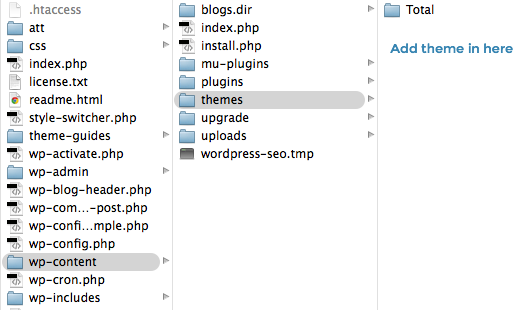
Next log into on your WordPress blog and browse to access Appearance >> Themes to activate Theme.
Theme Demo Import
For Importing Demo proceed as follows.
Visit Dashboard > Appearance > Theme Demo Import
Click Run Importer Button as shown in figure below.

Then Click on Visit Site Button

Create a main page Template With Customizer
When setting up a main page with customizer, proceed as directed below.
Dashboard > Pages > Add New
3.1. Create a new page and name it as "Home" then select the template "Custom Home Page".

3.2. you can select static home page by two methods
Method 1. Go To Dashboard > Setting > Reading
Select the option of Static Page, now select the page you created to be the Home page, while another page to be your default Page.

Method 2. Go To Dashboard > Appearance > Customize > Homepage Settings
Select the option of Static Page, now select the page you created to be the Home page, while another page to be your default Page.

After you've finished that, save the setting and now you have a custom Home page. You will now have a custom page being displayed as your Home page.
Set Logo
For Logo
Go To Dashboard > Appearance > Customize > Site Identity

Set Navigation Menus
- Create pages by going to pages first >> A new page was added.
- Go To Appearance >> Menus.
- Then Make a new menu.
- Give your menu a name inside of the Menu Name field, then click the Save Menu button.
- After creating a menu. pages must be added by checking the appropriate boxes. You can drag and drop the menu list into place after adding it.
- Choosing a menu theme location from the below checkboxes.

See this screenshot for better understanding.

To add icons before each menu name, enable the CSS Classes option by clicking Screen Options at the top right of the dashboard as shown in figure below.

Now click on menu item to expand it, and you’ll see a CSS Classes (optional) field.
Enter the class name of the font icon you want to use

It will appear as such on the front end.

Set The Header
Before setting up the header section with categories,
Go To Dashboard > Posts > Categories
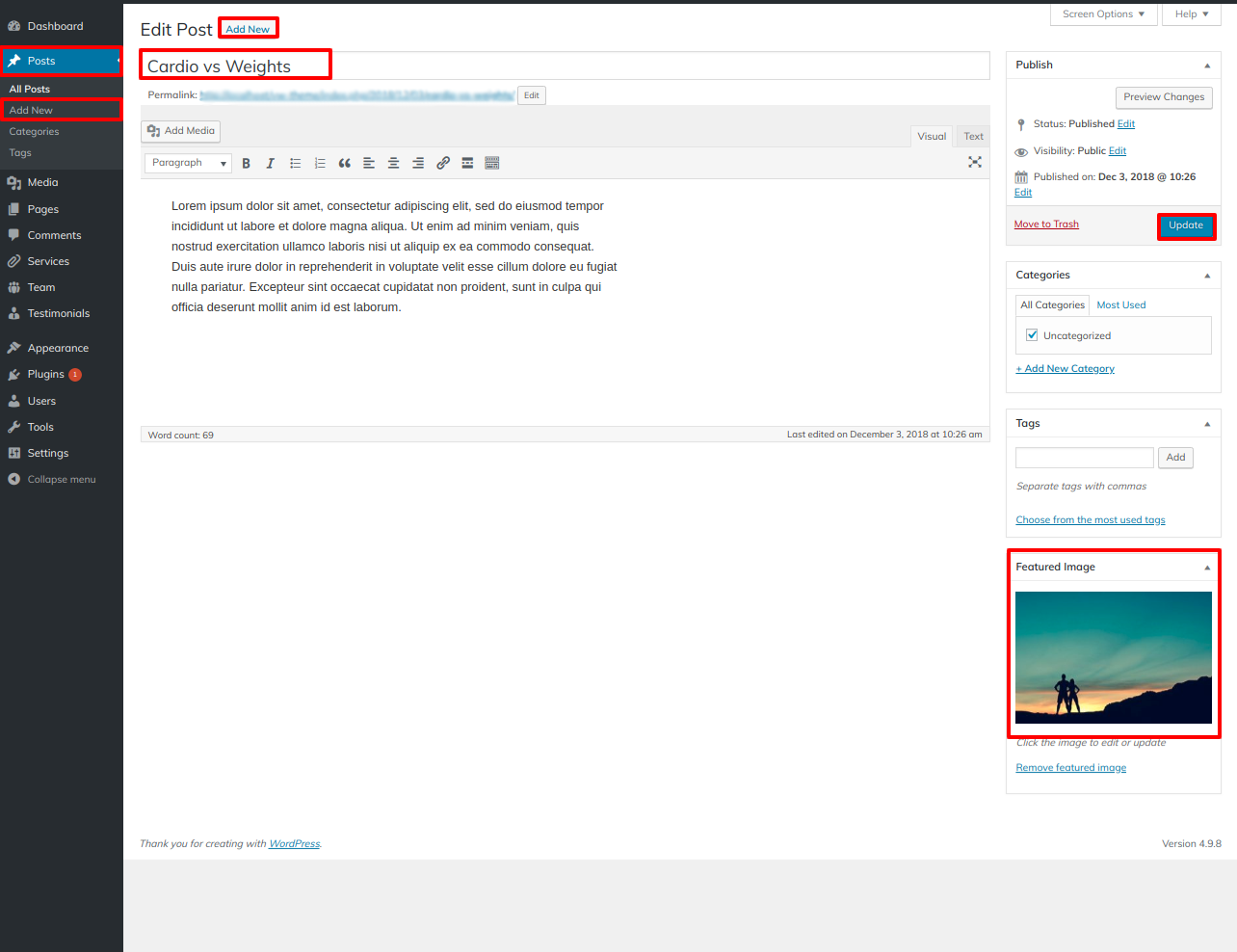
Then, go to Posts > Add Post to create a post,
Add Title, Content, Set Featured Image and assign it to the relevant category from the Categories section on the right sidebar as shown in figure

Visit Customizer > Homepage Settings > Header
Select top categories for the header section as shown in figure


It will appear as such on the front end.

Set The Slider
In order to setup the Slider Section, follow the below steps.
To add a video post for the slider
Go to Dashboard > Posts > Add Post to create a post,
Enter your post title, then click the ➕ (Add Block) button and select the Video block.

Copy the YouTube video link

Paste the link as shown in figure.
This will embed the video in the post, and when added to the slider, it will display a clickable preview that plays the video.

Now Visit Customizer > Homepage Settings > Slider Settings
Check on the checkbox for enable Slider
Select Post category as shown in figure below and click Publish button

Slider appear as such on the front end.
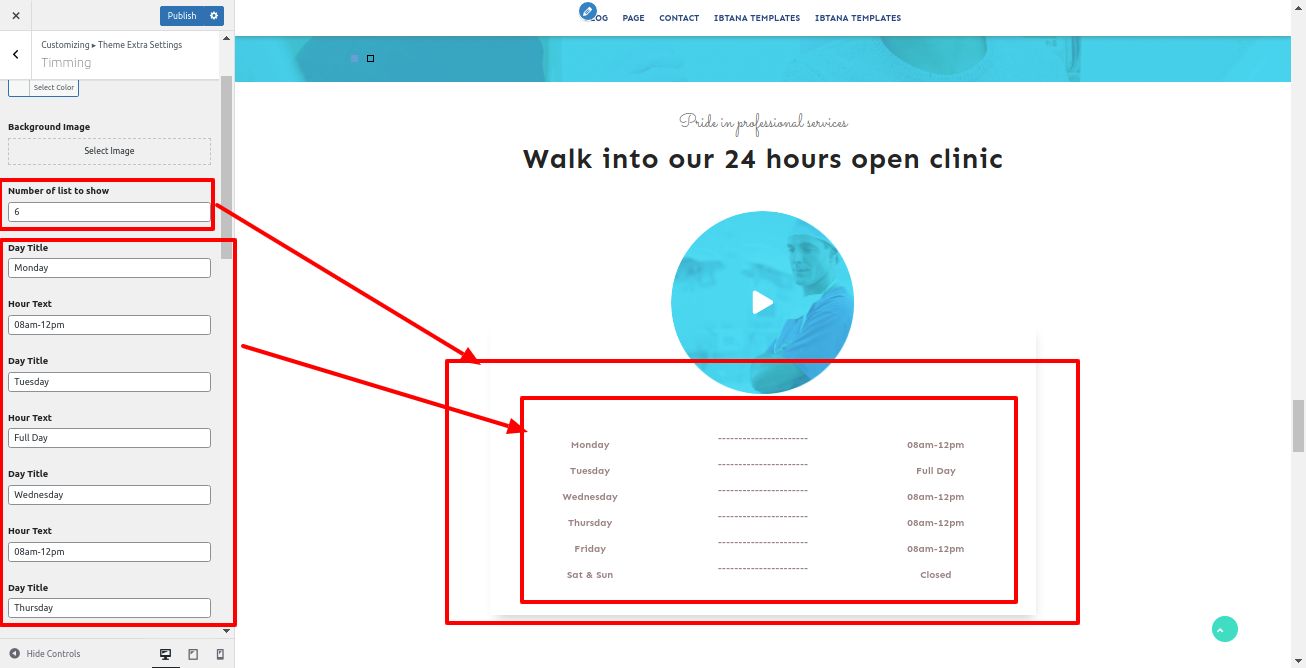

Set Top Chart Section
When setting up the Top Chart Section, proceed as directed below.
Go To Dashboard > Appearance > Customize > Homepage Settings > Top Chart Section
Check on the checkbox for enable Top Chart Section
Add Title, then select Post Category as shown in figure below

To show the star rating shown at the top-right of each post
Install and activate the kk Star Ratings plugin from the Plugins menu
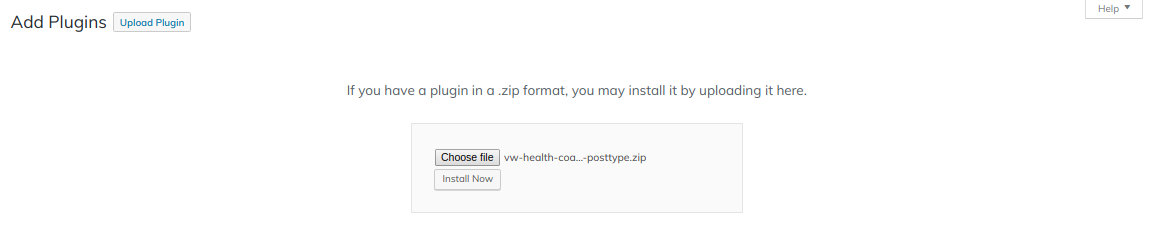
Go to kk Star Ratings > Settingsin the dashboard.
Under the General tab: Enable the home option under Location to show ratings on the homepage.

Under the Appearance tab: In the Legend field, enter {score}/{best}
Choose the number of stars you want to display.

To show the bookmark/favorite icon (star icon) shown at each post
Install and activate the CBX Bookmark & Favorite plugin.
once activated, the bookmark icon appears automatically on posts.

It will appear as such on the front end.

Set Right Sidebar Section
When setting up the Right Sidebar Section, proceed as directed below.
Go To Dashboard > Appearance > Customize > Homepage Settings > Right Sidebar Section
Check on the checkbox for enable Right Sidebar Section
Add Title, then add number of posts to show , click on publish and refresh the tab.
Select post and add text.


It will appear as such on the front end.

Footer Section Set
When setting up the footer section, proceed as directed below.
Upload the Classic Widgets plugins, install and activate it.

Go To Dashboard > Appearance > Widgets

Go To Dashboard > Appearance > Customize > Homepage Settings > Footer Settings
Here you can set the Footer's settings as shown in image below.
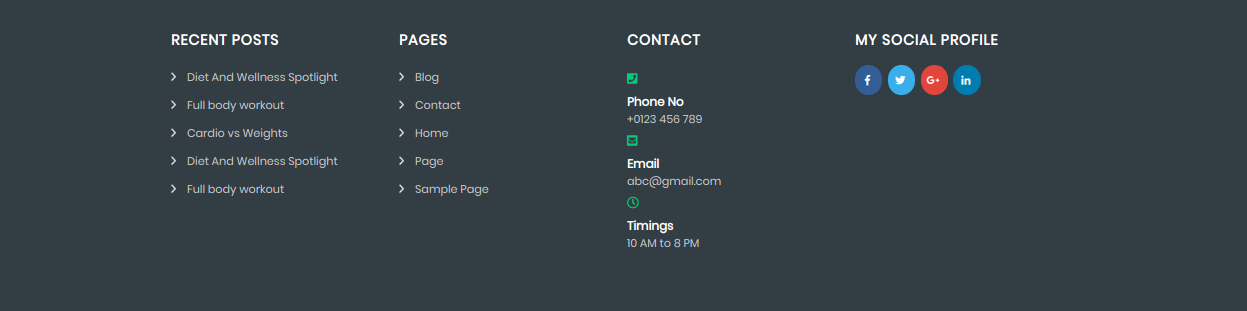
It will appear as such on the front end.

In this way you can configure the footer part.
Set Copyright Section
When setting up the copyright section, proceed as directed below.
Go To Dashboard > Appearance > Customize > Homepage Settings > Footer Setting
here, you can change the copyright alignment.

It will appear as such on the front end.

For Scroll To Top:
Here you can show / hide scroll to top, and you can change its position.

Blog Post Setting
1. Post Setting
When setting up the blog post sidebar, proceed as directed below.
Go To Dashboard > Appearance > Widgets

Go To Dashboard > Appearance > Customize > Blog Post Setting > Post Setting
Here you have choices for enable/disable author, date, comments, time and featured image respectively.


It will appear as such on the front end.

2. Button Setting
When setting up the Button Setting, proceed as directed below.
Go To Dashboard > Appearance > Customize > Blog Post Setting > Button Setting

3. Related Post Setting
When setting up the Related Post Setting, proceed as directed below.
Go To Dashboard > Appearance > Customize > Blog Post Setting > Related Posts Setting
Here you have choices for related post title, Show/hide related post and related post count options.

It will appear as such on the front end.

4. Single Post Settings
When setting up the Single Post Settings, proceed as directed below.
Go To Dashboard > Appearance > Customize > Blog Post Setting > Single Post Settings
Here you have choices for enable/disable author, date, comments, time and featured image respectively.


It will appear as such on the front end.

5. Grid Settings
When setting up the Grid Settings, proceed as directed below.
For Grid Layout
Go To Dashboard > Appearance > Customize > Blog Post Setting > Post Settings > Select Grid Layout


It will appear as such on the front end.

General Setting
Go To Dashboard > Appearance > Customize > Other Setting > General Setting
1. Page Sidebar Layout
Add Page sidebar as follows:

In this, you can change the page sidebar layout.

It will appear as such on the front end.

3. Pre-Loader: In this, you have option to show/hide the Pre-Loader in the theme and also have option for Pre-Loader type.

Free Vs Premium
| Theme Features | Totally free themes | Superior Themes |
|---|---|---|
| Customised Themes |  |
|
| Flexible design | |
|
| Upload a logo | |
|
| Links to social media | |
|
| Slider Options | |
|
| Banners |  |
|
| Website Templates | 3 | 6 |
| Home page Template | 1 | 1 |
| Theme sections | 3 | 15 |
| Contact us Page Template | 0 | 1 |
| Blog Layout & Templates | 0 | 3 right/left sidebar, full width |
| Website Templates & Layout | 0 | 2. Right/Left Sidebar |
| Color Pallete For Particular Sections | |
|
| Global Color Option | |
|
| Section Reordering | |
|
| Demo Importer | |
|
| Allow To Set Site Title, Tagline, Logo | |
|
| Enable Disable Options On All Sections, Logo | |
|
| Complete Documentation | |
|
| The most recent WordPress compatibility | |
|
| Compatibility with WooCommerce | |
|
| Support Third-Party Plug-Ins | |
|
| Optimised and Secure Code | |
|
| Exclusive Capabilities | |
|
| Section Allow / Disable | |
|
| Google Fonts in Section | |
|
| Images | |
|
| Mega and Simple Menu Options | |
|
| Support for custom CSS and JS | |
|
| Shortcodes | |
|
| Custom Background, Colors, Header, Logo & Menu | |
|
| Premium Membership | |
|
| Budget Friendly Value | |
|
| Priority Error Fixing | |
|
| Custom Feature Addition | |
|
| All Access Theme Pass | |
|
| Seamless Customer Support | |
|
| Upgrade to Pro |